The question of how to get rid of mould in the house is asked often in Malaysia – and no wonder. A combination of humidity, rain, and the manner in which our houses are constructed with numerous enclosed, poorly ventilated areas, means mould is more of a “where” question than an “if” question. You may have dark spots appearing on your bathroom ceiling and an odour which is hard to get rid of in your wardrobe, and you have one of the common household problems in the country.
In Malaysia, mould grows easily due to the climate.The climate in Malaysia is conducive to mould growth.
Mould development is a perfect environment in Malaysia. On average, the relative humidity of the country remains at around 80%, while in different parts of the country and at different times of the year, it could have risen to as high as 88% in Peninsular Malaysia in November, national meteorological data shows. It is a well known fact that mould can only grow in the presence of moisture and warmth and our climate is all year round warm and moist. Enclosed bathrooms, where the air doesn’t circulate, rooms with AC blowers that cause condensation, and rain during the monsoon season that gets into areas where it shouldn’t, are the perfect breeding ground for mould — and they grow more rapidly than homeowners realize.
So what is the difference between mould and mildew?
While people often use these terms interchangeably, they’re not exactly the same. Mildew is a surface layer fungus that may be in the form of a powdery white or gray mold, which is often found on wet clothes, shower curtains or bathroom tiles. Usually easier to deal with as it has not yet grown into the surface it’s growing on. Mould on the other hand, can be more serious — often dark green, black or blue-green, it can grow on the material itself, which can be grout, drywall, wood or fabric. Known by its nickname locally as kulat, it’s used in everyday language but knowing which to use will help you determine how hard you should clean it.
Mould should not be ignored since it is not just an eyesore, because it also poses a health risk.
But not only is mould not good to look at, it can actually have a negative impact on health. Exposure for prolonged periods has been associated with respiratory irritation, allergic reactions and aggravation of persons who have asthma or other respiratory ailments. It is likely to be more impactful on children and on older family members. In reality, the mould will not remain in one corner of the bathroom, but over time, if left uncontrolled, it can cause damage to the grout, paint and even the structure itself.
How to remove mould yourself – what works and what doesn’t.
There are a number of home remedies that really work for smaller, superficial mould and mildew issues:
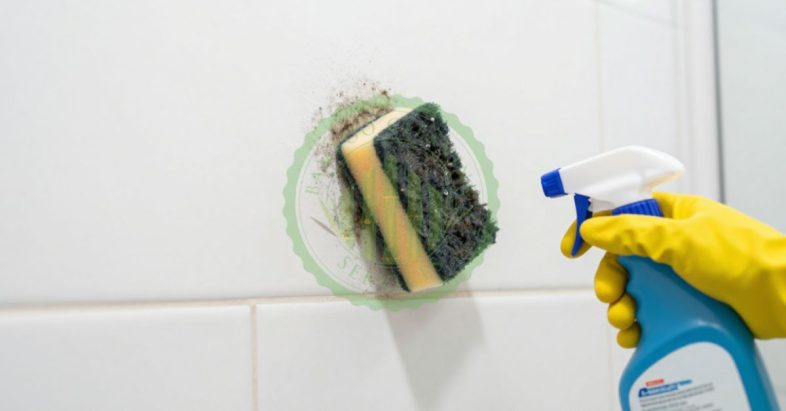
Diluted bleach solution. The typical ratio for cleaning mould on tiles and hard surfaces is about 1 part bleach to 16 parts water. Use on affected area; leave on for a few minutes, scrub with stiff brush and rinse off thoroughly. When using bleach always use it with adequate ventilation and never add it to other cleaning products.
Improve ventilation. Mould grows in cold, still, damp air. Open windows often, use exhaust fans in bathrooms and do not dry laundry in enclosed areas to minimize the moisture necessary for mould growth.
Dehumidifiers. A dehumidifier can prove beneficial in very humid environments, such as a bathroom, storage room, or other humid space which is difficult to ventilate, and this can significantly reduce moisture in the air, making it more challenging to regrow mould.
Wiping of damp surfaces on a regular basis. Frequent wipe-downs, before mould is seen, are ideal for wardrobes, window sills and bathroom corners.
The usual hotspots around a Malaysian home is the kitchen.
Mould does not just “show up” anywhere; it always seems to be in the same places:
Steam and inadequate ventilation combine at the bathroom ceiling and grout lines.
Wardrobes, particularly built-in against outside walls which retain moisture.
Any areas where water has been allowed to sit on the surface, such as window sills and frames, especially following monsoon rainfall
Slow leaks are often not detected for weeks under sinks.Slow leaks can occur under sinks and go undetected for weeks.
Air-cond units and vents that may contain mould inside as well as on surfaces
Older buildings in Melaka and Nejri Sembilan that have no consideration towards humidity control and where the original building materials were not meant to be used for humidity control.
If you can’t do it yourself, why not call the professionals?
The truth is that for small, isolated areas of mould, do-it-yourself solutions are effective, but they have their boundaries. When mould persists in the same location after repeated cleanings, has spread throughout the house, has infiltrated porous surfaces such as drywall or wood, or people in the household are having persistent symptoms to their respiratory system and the symptoms appear to be related to a particular room, it’s time to call in professional deep cleaning services and not to repeat the same cycle of deep cleaning at home. Professional teams possess better, well-formulated treatments and equipment to get to the underlying moisture problem that is causing regrowth and treat the area completely — not just the surface – but the moisture problem itself.
Bamboo Cleaning Services offers deep clean services in Kuala Lumpur, Selangor, Negeri Sembilan and Melaka that specialises in mould and mildew, providing a thorough clean of the affected area that goes beyond merely covering over the problem. Mould and mildew is a task that requires a trained mould remediation specialist to be done correctly, and trained staff are what Bamboo Cleaning Services will have.
Prevention Beats Cure
When mould is cleared up, its prevention is largely a matter of keeping it out by maintaining airflow and moisture control. Use exhaust fans when showering and after showering, don’t leave wet towels in closed areas, periodically check under sink for hidden leaks, and use a dehumidifier occasionally in particularly humid areas, especially when showering in the wetter months of the year when Peninsular Malaysia is at its humid peak. Some regular care will prevent the need to battle the same patch of mould again every few months!
The resistance is building and the conflict is becoming a recurring one, so don’t let it happen again.
While it may be a case of when, not if, with mould in Malaysia’s climate, you don’t necessarily need to have it in your house or continually scrub the same place without any success. When cleaning with Do-It-Yourself methods are no longer sufficient, a professional deep cleaning can help eliminate mould, as well as the conditions that encourage its growth, providing a more lasting solution than another bleach and elbow grease session.